The browser you are using is not supported. Please consider using a modern browser.

How To Cure Your Prints Correctly
How To Cure Your Prints Correctly
Top 10 Best Practices for Curing Your Prints Correctly in Screen Printing
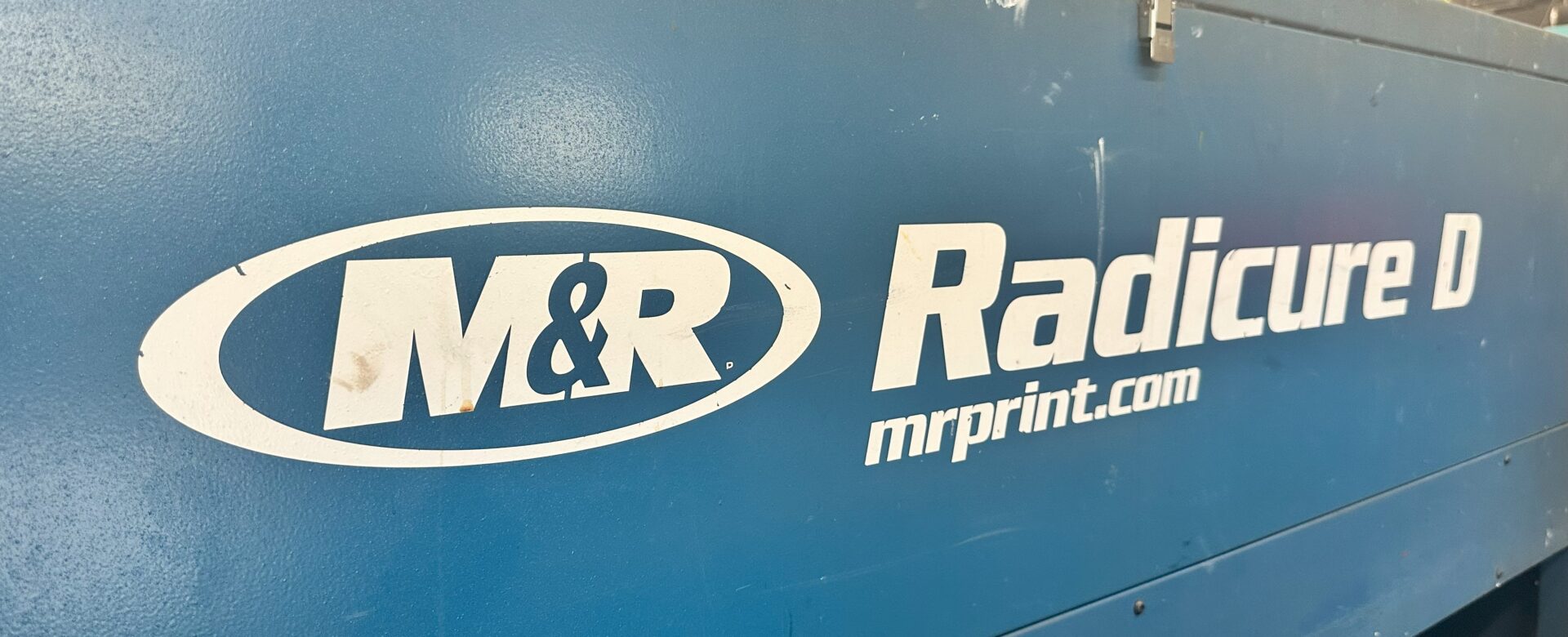
Curing your prints correctly in screen printing is the single most important step to ensure durability, washability, and a professional finish. Whether you’re running a small home-based screen printing business or operating a large production shop, knowing the proper curing techniques will save you from costly mistakes and customer complaints.
Why Proper Curing Matters in Screen Printing
Curing isn’t just about drying the ink; it’s about bonding the ink permanently to the fabric. If not done properly, prints can:
-
Crack after a few washes
-
Peel or fade quickly
-
Lose color vibrancy
-
Fail to meet customer expectations
Understanding the Curing Process
To cure plastisol ink properly, the ink must reach the recommended temperature (usually 320°F or 160°C) throughout the entire ink layer. It’s not about how long it’s heated—it’s about hitting the right temperature consistently.
Best Practices for Curing Your Prints Correctly in Screen Printing
Use a Reliable Heat Source
-
Conveyor dryers (best for consistency)
-
Flash dryers (for small batches)
-
Heat guns (only for spot curing, not full prints)
-
Heat presses (with caution)
Monitor Ink Temperature Accurately
-
Use a laser temp gun to check surface temperature
-
Use temperature strips or thermochromic ink testers on test prints
-
Regularly calibrate your equipment
Test Before Full Production
-
Always run a test print
-
Wash test your sample to check for cracks or fading
-
Adjust time, temperature, or belt speed as needed
Common Curing Mistakes to Avoid
-
Over-curing or scorching garments
-
Under-curing due to uneven heat
-
Relying only on dryer settings, not actual ink temp
-
Not accounting for different fabric types
Tips for Different Fabrics
-
100% cotton: Heats evenly and cures well at standard temps
-
Polyester blends: Require lower temp inks to avoid dye migration
-
Tri-blends: Use stretch additives and lower temp curing
Final Thoughts: Quality Depends on Curing
Curing your prints isn’t an afterthought—it’s a critical part of screen printing that directly affects the longevity and quality of your work. Investing in proper curing tools, regularly testing your prints, and understanding your materials will help ensure that every shirt you produce stands the test of time.
FAQs
What is the ideal curing temperature for plastisol ink?
The standard curing temperature is around 320°F (160°C), but always check the ink manufacturer’s recommendations.
How can I tell if my print is fully cured?
Conduct a stretch test and a wash test. If the print cracks or fades, it’s under-cured.
Can I cure prints with a heat gun?
Only for spot curing. It’s not recommended for full print curing due to uneven heat distribution.
How long does curing typically take?
Curing time varies by dryer type, but generally 30 to 60 seconds at the correct temperature.
What happens if I over-cure my print?
Over-curing can scorch the garment and make the ink brittle.
Do different fabrics need different curing settings?
Yes, particularly polyester and blends which may need lower temperatures or special inks.
Want to bring your design ideas to life? Start your custom apparel order today! Click Here
Social Media
Check us out on Instagram
Like us on Facebook
Check in on LinkedIn