The browser you are using is not supported. Please consider using a modern browser.

The Complete Guide to Custom Embroidery
The Complete Guide to Custom Embroidery
What is embroidery?
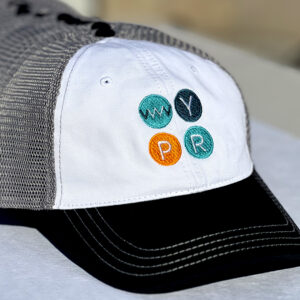
Embroidery is the art of decorating fabric using needle and thread, producing designs that become a lasting part of the garment. Modern embroidery machines use advanced computer technology to stitch your logo, text, or artwork with colored thread for a crisp, professional look every time. The result is durable, precise, and adds a touch of quality that stands out. Unlike printed graphics that just hang out on top of your shirt, embroidery moves in and becomes part of the family. The result? A decoration method so tough, it laughs in the face of your washing machine and shrugs off everyday wear like it’s no big deal.
Why choose embroidery?
Embroidery is still the cool kid in the world of apparel decoration, and for good reason. It brings a bunch of perks to the table that other methods just can’t match.
Professional appearance
Nothing says, ‘We mean business’ quite like a stitched logo. Embroidered apparel gives you that polished, upscale vibe—perfect for businesses, corporate events, hospitality staff, schools, and anyone who wants to look like they’ve got their act together.
Long-lasting durability
Since the design is stitched right into the fabric, embroidered logos can handle years of wear and tear. That’s why embroidery is the MVP for workwear, uniforms, athletic gear, and outerwear that gets put through the wringer.
Added texture and dimension
Embroidery brings a little extra oomph to your design. The raised stitching adds texture and makes your logo pop in a way that printed graphics can only dream about. It’s the kind of premium feel that gets noticed—by customers, employees, and anyone with eyes.
Versatility across products
Embroidery isn’t picky—it looks great on just about anything, including:
How the embroidery process works
Every embroidery project begins with artwork preparation. Before stitching can start, your logo or design must be converted into a digital embroidery file through a process called digitizing. Once digitized, the embroidery machine gets to work, following the stitch-by-stitch roadmap you just gave it. It grabs the right thread colors, locks your garment in place, and gets stitching—delivering a clean, consistent result every time. No coffee breaks required. The quality of the digitizing process is critical because it determines how accurately the final embroidered design reflects your original artwork.
Understanding embroidery styles
Not all embroidery is created equal. Different techniques can give you totally different vibes, depending on what you’re going for.
Flat embroidery
Flat embroidery is the most common embroidery style. The thread is stitched directly into the garment surface, creating a clean and detailed appearance.
Best for:
- Company logos
- Detailed artwork
- Multi-color designs
- Employee uniforms
- Promotional apparel
You’ll spot flat embroidery on all the usual suspects: polos, jackets, hoodies, tote bags, and those structured hats everyone loves.
3D puff embroidery
3D puff embroidery creates a raised effect by placing foam underneath the stitching. This gives logos and lettering a bold, elevated appearance that immediately grabs attention.
Best for:
- Sports logos
- Bold lettering
- Hat designs
- Simple graphic elements
- Streetwear-inspired merchandise
Puff embroidery is especially popular on snapback and fitted caps.
Mixed embroidery
Mixed embroidery is where flat stitching and puff elements join forces. The result? Extra contrast, more dimension, and a logo that knows how to steal the spotlight.
Best for:
- Brand logos
- Retail merchandise
- Premium hat designs
- Custom promotional products
What types of artwork work best?
Embroidery can handle a lot, but some designs are just better suited for thread than others. Not every logo is ready for its close-up in stitches.
The best artwork for embroidery usually checks these boxes:
- Bold lines
- Clear shapes
- Readable text
- Solid colors
- Simple design elements
Some designs might need a little makeover before they’re ready for embroidery, like:
- Extremely small text
- Fine detail illustrations
- Complex gradients
- Photographic imagery
- Intricate shading effects
If your artwork needs a little TLC, the Charm City Screen Print crew is here to guide you. We offer free consultations and personalized design reviews to help refine your logo or artwork for embroidery. Whether you need advice on simplifying details, improving text clarity, or adjusting colors, you’ll get expert feedback and support at every step—so you can feel confident in the final result.
Choosing the right garments for embroidery
Picking the right garment is half the battle when it comes to embroidery quality.
Heavier fabrics are embroidery’s best friend—they give the stitching a solid foundation to hang onto. Some of the usual suspects include:
- Fleece
- Cotton blends
- Twill
- Canvas
- Performance polos
- Structured hat panels
Lightweight garments can sometimes experience puckering or distortion around embroidered areas, especially when designs are large or densely stitched. To get a better result on lighter fabrics, try using stabilizers to add support, choose smaller or less dense designs, and stick to simple artwork. You might also opt for finer thread or consult with your embroidery pro for recommendations that help minimize any issues, so your finished product looks as crisp as possible.
For best results, stick with medium- to heavyweight apparel. Your embroidery (and your sanity) will thank you.
When embroidered patches make sense
Sometimes, an embroidered patch is the hero your garment needs—especially when direct embroidery just isn’t cutting it.
Patches are created by stitching the design onto a separate backing material before attaching it to the garment. This approach offers several advantages:
- Works well for larger designs
- Handles intricate details more effectively
- Creates a classic heritage look
- Can be applied to a wider range of products
- Makes future garment replacements easier
You’ll find embroidered patches everywhere—on uniforms, club jackets, brewery gear, car brands, school swag, and lifestyle apparel. If it’s got a patch, it’s probably cooler.
Is embroidery better than screen printing?
The answer depends on your goals. For example, if you run a landscaping business and want staff uniforms that stay sharp through heavy use, embroidery on polos and jackets is the way to go. On the other hand, if you’re organizing a charity 5K and need vibrant, lightweight shirts for lots of participants, screen printing is more cost-effective and ideal for large, colorful designs. Think about how the apparel will be worn, your artwork style, and your budget—these factors will help you choose the best method for your needs.
Embroidery is often the best choice when you want:
- A professional appearance
- Long-term durability
- Textured decoration
- Uniform and workwear branding
- Premium retail merchandise
Screen printing is often the better option when you need:
- Large graphics
- Full-color artwork
- Detailed illustrations
- Softer garment feel
- Budget-friendly high-volume orders
A lot of organizations play the field, using embroidery for hats, polos, and outerwear, and screen printing for t-shirts and event gear. Sometimes, you really can have the best of both worlds.
Bringing your brand to life with embroidery
Custom embroidery is one of the most effective ways to elevate apparel and create a lasting impression. Whether you’re outfitting employees, creating branded merchandise, or launching a new apparel collection, embroidery delivers a professional look that stands the test of time.
At Charm City Screen Print, we help businesses, schools, nonprofits, and organizations all over Baltimore (and beyond) create embroidered gear that looks sharp and holds up for the long haul. Ready to get stitching? Reach out to Charm City Screen Print and let’s talk garment options, embroidery styles, and pro tips to make your design shine. Your next favorite piece of custom apparel is just a call away.
Social Media
Check us out on Instagram
Like us on Facebook
Check in on LinkedIn