The browser you are using is not supported. Please consider using a modern browser.

Photorealism: A Guide to Simulated Process Screen Printing
Photorealism: A Guide to Simulated Process Screen Printing
When most people think of screen printing, they picture bold logos, simple graphics, and limited color palettes. While traditional screen printing remains one of the most effective decoration methods available, there’s another technique that takes custom apparel to an entirely different level: simulated process screen printing.
If you’ve ever seen a t-shirt featuring lifelike artwork, detailed illustrations, dramatic lighting effects, or vibrant photographic elements, there’s a good chance simulated process printing played a role in creating it.
At Charm City Screen Print, we help customers determine the best printing method for their artwork. For designs that demand exceptional detail and color depth, simulated process screen printing can produce stunning results that simply aren’t possible with traditional spot-color printing alone.
What is simulated process screen printing?
Simulated process screen printing is an advanced printing technique used to reproduce highly detailed, full-color artwork using carefully separated ink layers and halftones.
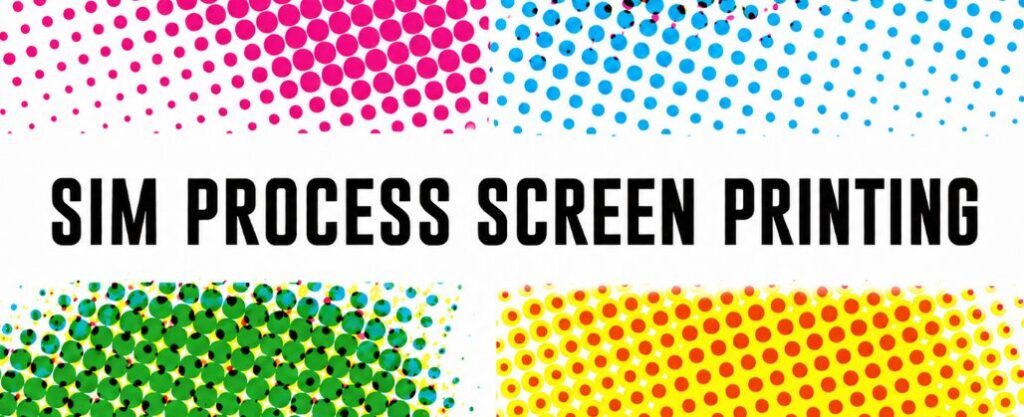
Rather than relying solely on individual spot colors, simulated process printing uses strategically placed dots and overlapping ink layers to create the appearance of hundreds of colors, shades, and transitions within a design.
The result is a print that captures remarkable detail, smooth gradients, and realistic color variations while maintaining the durability and vibrancy screen printing is known for.
How simulated process printing works
The process begins long before any ink reaches a garment.
Artwork is separated into multiple color channels, allowing different parts of the image to be reproduced through a combination of inks and halftone patterns. These halftones create the illusion of blended colors and smooth transitions when viewed from a normal distance.
As each layer is printed onto the garment, the colors work together to recreate highlights, shadows, textures, and subtle details found in the original artwork.
The finished print often appears far more complex than a traditional screen-printed design while still maintaining the durability associated with screen printing.
Why designers love simulated process printing
For artists, apparel brands, and organizations with highly detailed artwork, simulated process printing opens up creative possibilities that standard printing methods may struggle to achieve.
This technique is particularly effective for:
- Detailed illustrations
- Album artwork
- Merchandise graphics
- Wildlife and nature imagery
- Vintage-inspired artwork
- Realistic portraits
- Complex branding graphics
- Full-color promotional apparel
When preserving artistic detail is a priority, simulated process printing often becomes the preferred solution.
The advantages of simulated process printing
Incredible detail reproduction
One of the biggest benefits of simulated process printing is its ability to capture fine details.
Elements such as textures, shadows, highlights, and intricate line work can be reproduced with impressive clarity, helping artwork maintain its original visual impact.
Rich color depth
Because the process uses layered colors and halftones, it can achieve a broad range of tones and visual effects that create a more dynamic final print.
This depth helps designs appear more vibrant and realistic than many traditional printing approaches.
Soft hand feel
Many simulated process prints achieve a softer feel than people expect from highly detailed artwork.
Rather than relying on heavy layers of ink, carefully planned separations help maintain comfort while still delivering exceptional visual results.
Versatility across designs
Whether you’re creating apparel for a band, clothing brand, brewery, nonprofit, school, or special event, simulated process printing can adapt to a wide range of artistic styles and design goals.
Choosing the right artwork
Not every design requires simulated process printing.
Simple logos, text-based graphics, and basic illustrations often perform exceptionally well with traditional screen printing methods.
Simulated process printing shines when artwork includes:
- Multiple color transitions
- Complex illustrations
- Detailed textures
- Realistic imagery
- Shading effects
- Extensive color variation
The more visual complexity a design contains, the more likely simulated process printing can provide significant benefits.
Garment selection matters
The garment itself can influence the final appearance of a print.
Different fabric colors, textures, and blends interact with ink differently, which can affect how colors appear and how fine details are reproduced.
When planning a simulated process project, it’s important to consider the relationship between the artwork and the garment color to achieve the strongest visual result.
Working with an experienced print team can help ensure the design and garment complement each other effectively.
Collaboration leads to better results
Some of the best simulated process prints happen when artists, brands, and printers collaborate early in the process.
Sharing original artwork files, discussing design goals, and understanding how the artwork will ultimately be worn can all help guide production decisions.
This collaborative approach often results in cleaner separations, stronger color reproduction, and a finished product that stays true to the original creative vision.
Preparing artwork for success
To get the best results from simulated process printing, start with the highest-quality artwork available.
Helpful guidelines include:
- Providing original design files whenever possible
- Using high-resolution artwork
- Avoiding screenshots or compressed web graphics
- Supplying layered files when available
- Communicating important color requirements
The stronger the source artwork, the greater the opportunity to achieve an exceptional final print.
Is simulated process printing right for your project?
If your design relies on bold spot colors and simple graphics, traditional screen printing may be the perfect solution.
However, if your artwork includes realistic imagery, complex illustrations, detailed shading, or a wide range of colors, simulated process printing may offer the level of detail you’re looking for.
Every project is unique, which is why choosing the right decoration method is one of the most important parts of the apparel creation process.
Bring your artwork to life with Charm City Screen Print
At Charm City Screen Print, we love helping customers turn ambitious artwork into wearable pieces of art. Whether you’re creating retail merchandise, event apparel, branded apparel, or limited-edition designs, our team can help determine the best printing method for your project.
From traditional screen printing to advanced decoration techniques, we’re committed to producing apparel that captures your vision with clarity, vibrancy, and attention to detail.
Ready to explore what’s possible with simulated process screen printing? Contact Charm City Screen Print today and let’s create something unforgettable.
Social Media
Check us out on Instagram
Like us on Facebook
Check in on LinkedIn